Digital transformation is often driven by technology. Think dashboards, algorithms, and automation. But in the conversation Patrick Okkersen, co-founder of RoutiGo, had on the podcast The Lobster Strategy by Yousri Mandour, the discussion quickly turned to a much more important foundation. Technology only gains meaning when it helps people work smarter and with more confidence. That's the basis of how we at RoutiGo build innovation.
Back to the Purpose of Software Development
RoutiGo started with a clear goal: to plan routes smarter. But that practical approach was never the whole story. We wanted to make logistics more human and sustainable. The years of rapid growth, especially during COVID, were intense. There was plenty of speed, but less direction.
That led to an essential question: Who are we working for, and what do we want to contribute to their operations? This re-evaluation has sharpened our choices. True digital transformation doesn't start with technology. It starts with clarity about the value you add.
AI accelerates. Humans decide.
In the podcast, Patrick discusses the role of AI. Not as an end goal, but as an accelerator. AI helps planners and drivers quickly understand what's happening and why the system is recommending something. Technology supports the work but doesn't take it over.
That's the core of how we develop our platform. Software should explain why a route changes. Why a time slot shifts. Why a vehicle gets a different sequence. Technology should provide insight, not be a black box. AI accelerates analysis, but humans determine the direction.
Choosing the Customers Where You Make the Most Impact
Many organizations feel pressured to be active everywhere at once. But we've observed that growth happens when you choose customers who are moving in the same direction. Companies that want to invest in reliability, scalability, and service towards their recipients.
In the conversation, Patrick explains the importance of being able to say no. Not every opportunity is a good fit. This clarity has led to a focus on medium and large organizations where complexity is higher and where smart planning and real-time communication make a difference.
Partnership Means Co-building, Even as Roles Change
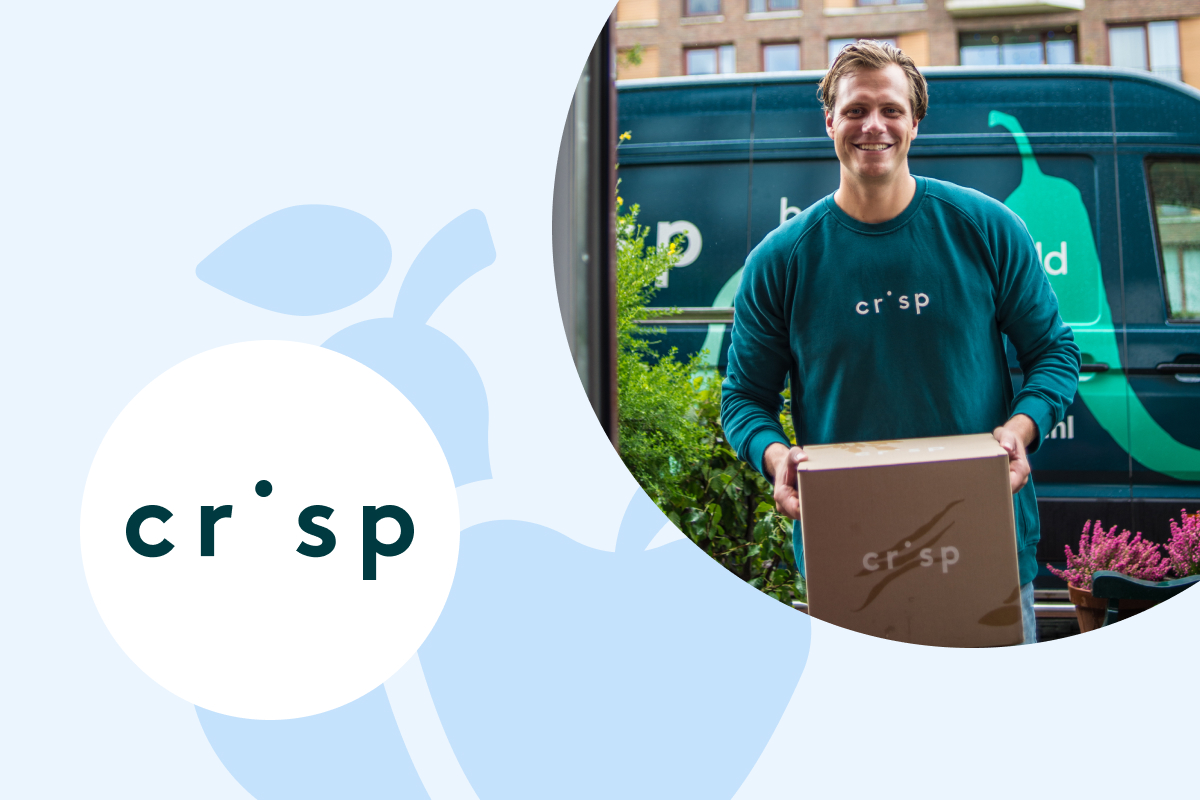
The podcast also features the example of Crisp. They decided to further develop their IT in-house. For Crisp, this was a logical step in their growth trajectory, as they wanted more control over their technological development. For us, collaboration is paramount. We jointly examined their operations, their growth, and what was needed for further development.
This confirms our conviction that partnership goes beyond delivering software. It's about adding value, making processes smarter, and helping organizations mature, even as roles change and companies bring more in-house.
Want to read how Crisp looks back on the collaboration?
Read Crisp's reference case here
Culture as a Foundation for Technological Growth
Digitalization often means systems and processes become heavier, with more formalities and structure. But precisely in such an environment, you need a strong culture to remain agile. Patrick emphasizes in the podcast how important it is to continue seeing the person behind the role. We recognize this at RoutiGo. When hiring new colleagues, we look not only at skills but especially at motivations. Technology can be copied. Culture cannot. And it is that culture that determines how well your team can handle change and innovation.
What the Conversation Reveals
The podcast underscores a conviction that is essential to us:
Technology accelerates.
Leadership provides direction.
Humanity provides meaning.
This combination makes digital transformation powerful. Not by working harder, but by working smarter and involving people in how technology supports their work. As Patrick puts it: AI accelerates everything, but we determine the direction.
Read more
Read The Lobster Strategy's article about this conversation here
Listen to the full podcast
Listen to the full episode on Spotify.




.jpg)